Voice Cloning Dangers and Family Safety
Explore my NLP research and published research.
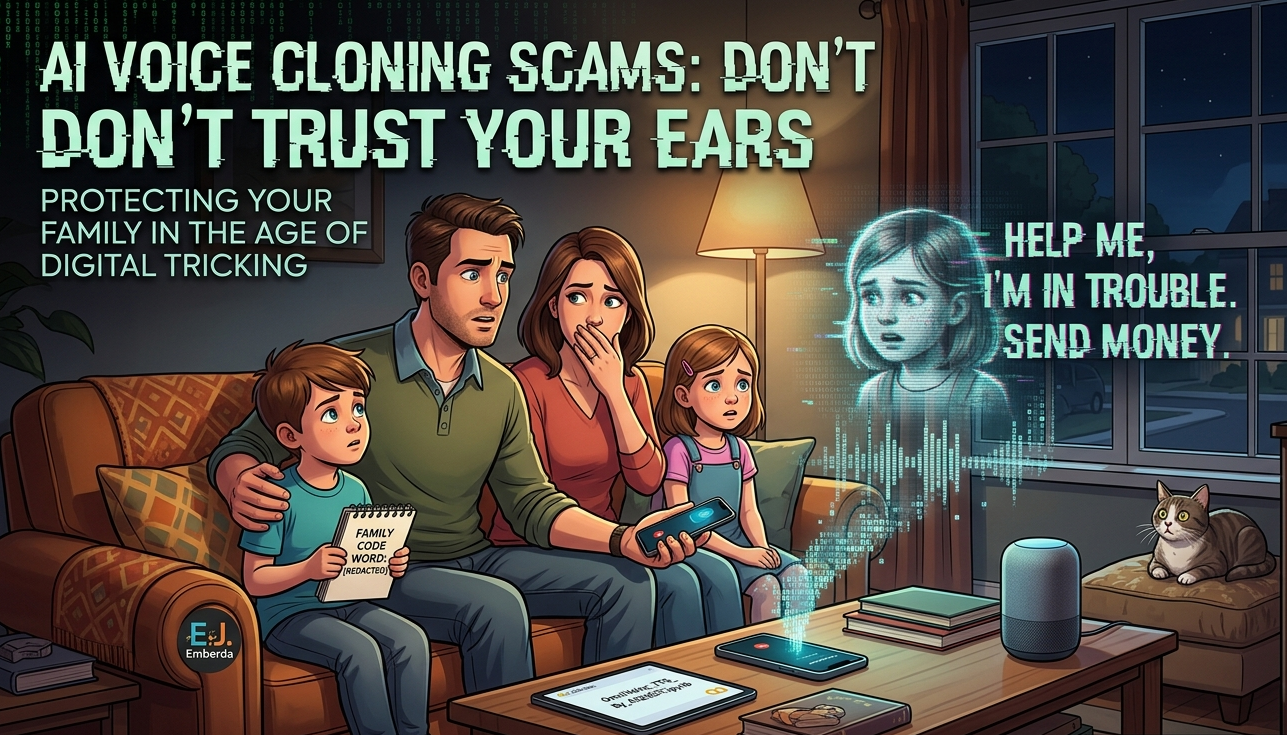
I've spent some time testing some voice cloning tools. To be honest, I am amazed and at the same time, stunned. The codes are available for free. Anyone with a basic understanding of computers can use it. It sounds exactly like the person it is mimicking. This is amazing for content creators and filmmakers. However, it is also a huge red flag for families.
We are entering an era where you cannot always trust your ears. Here is why we need to be careful.
Click here to hear Elon Musk's cloned voice.
The New Face of Scams
The most dangerous use of this tech is the "emergency" scam. Imagine getting a call from your child or your spouse. They sound panicked. They say they have been in an accident or they are in trouble. They ask you to send money immediately. (This is a common tactic for hackers). In the past, the voice was a giveaway. It didn't sound right. But now, the AI can copy the exact tone and emotion of your loved one.
Other Hidden Dangers
- Identity Theft. Some banks and services use voice recognition for security. If a scammer has a recording of your voice, they might try to get into your accounts.
- Fake Proof. Someone could create a fake recording of you saying something you never said. This could hurt your reputation or your job.
- Tricking Kids. Children are especially vulnerable. They might hear a voice that sounds like a parent giving them instructions over a smart speaker or a phone.
How to Protect Your Family
So, how do we stay safe? We don't need to be afraid of technology. We just need to be smarter about it.
- Create a family code word. Pick a word that only your family knows. If someone calls asking for money or help, ask for the code word. (Make it something simple but not easy to guess).
- Hang up and call back. If you get a suspicious call, hang up. Call the person back on their actual phone number. Do not trust the incoming caller ID.
- Be careful with what you post. Scammers need audio to train the AI. If you have public videos with your voice, they can use that data.
- Talk to your kids. Explain that voices on the phone or computer can be faked. Tell them to always check with you in person if something feels weird.
I believe in using technology to make life better. But I also believe in technology literacy. We have to understand the risks so we can stay protected.
Well, I hope this helps you keep your family safe. It is a strange new world. But we can handle it if we stay informed. Do you have a family safety plan yet? It might be time to make one.
Related Articles
We May Be Looking for the Skills Gap in the Wrong Place
Studies and congressional reviews in the Philippines have pointed to a persistent concern: many K–12 Senior High School graduates enter tertiary education needing additional support in foundational knowledge and skills. …
Read More →AI Just Designed 16 New Viruses. Should We Be Worried?
Scientists just used artificial intelligence to design 16 new viruses! These viruses do not exist in nature. The AI invented them from scratch. You can read the latest reports from …
Read More →Solving Code-Switching ASR for Davao and Beyond
Let's face it. Communication in the Philippines has stopped being a single-language thing. If you listen to a conversation in Davao City today, you'll rarely hear pure English, pure Tagalog, …
Read More →Subscribe to Updates
Get notified about new blog posts, AI insights, and digital transformation strategies.
We respect your privacy. Unsubscribe at any time.