A Study Shows Schools Need Better AI Policies, Not Better AI Detectors (Here Are 5)
Explore my NLP research and published research.
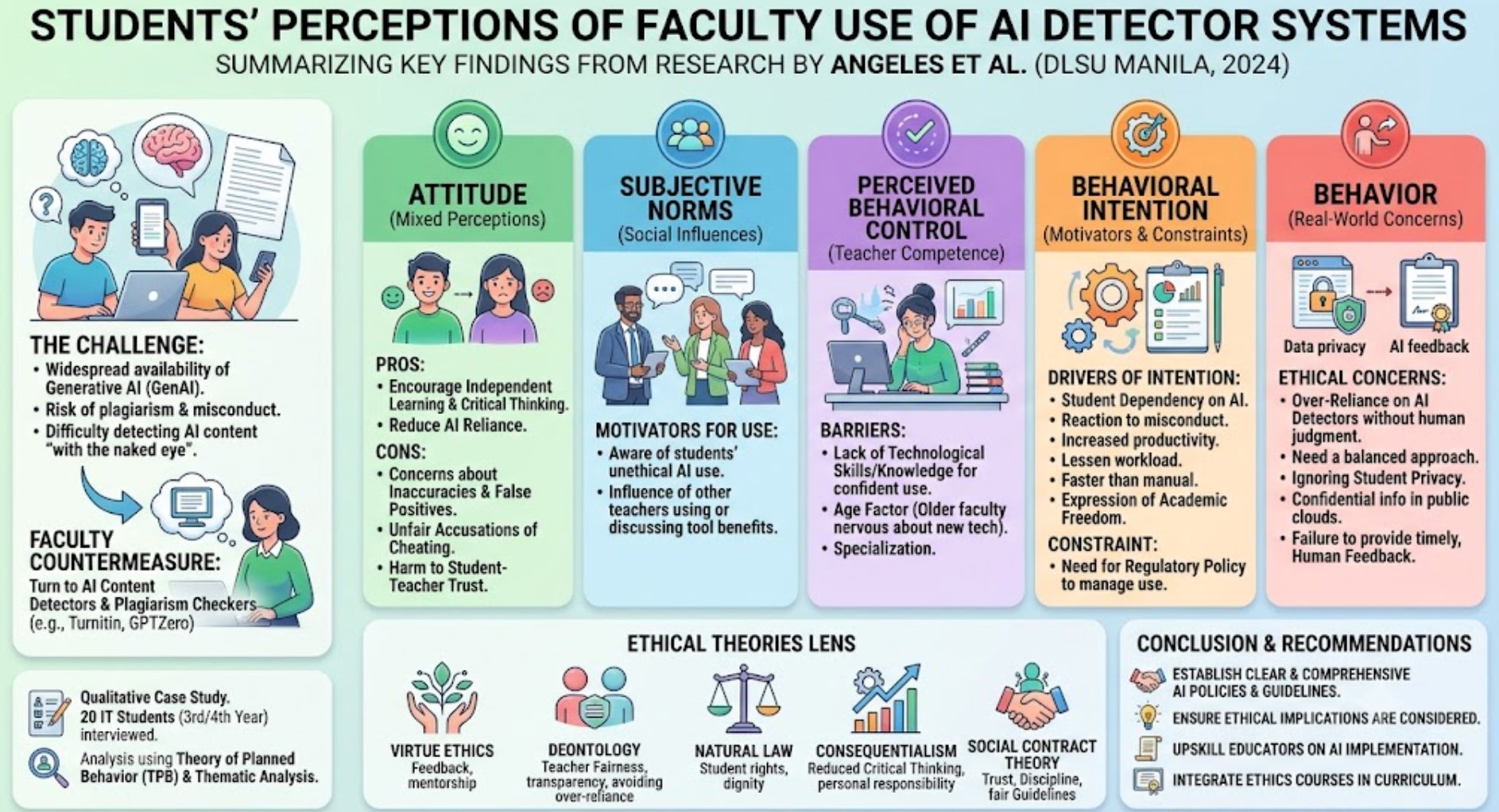
We talk a lot about human-centered AI in education today. We tell students to use AI responsibly and keep their critical thinking sharp.
But here is the ironic reality on the ground. While we tell students not to over-rely on AI, many educators are doing the exact same thing. They run student assignments through AI content detectors and accept the percentage score as absolute truth.
A study from De La Salle University highlighted this exact problem. Students noticed that while they are pushed to think independently, some faculty members outsource their evaluation entirely to flawed detection tools. This over-reliance damages student-teacher trust, leads to unfair cheating accusations, and exposes student work to privacy risks. I have seen this happen as well in our institution.
If we want to keep education truly human-centered, school leaders need real rules on the books. Here are 5 practical policy solutions institutions should adopt right now.
1. Ban automated penalties based on AI detector scores
AI detectors are notorious for false positives and bias against non-native writers. School policy must explicitly state that an AI detector score can never be the sole basis for an academic dishonesty charge. Human judgment and teacher evaluation must always be the final authority.
2. Mandate AI upskilling for faculty members
You cannot expect teachers to evaluate AI use fairly if they do not understand how the technology works. Schools need to train faculty on algorithm limitations, prompt engineering, and realistic classroom integration.
3. Establish strict student data privacy standards
Uploading a student paper to an unvetted online checker can violate their data privacy. Policies must restrict faculty from pasting student work into third-party cloud tools unless the platform meets strict security and confidentiality standards.
4. Create a standardized and transparent appeals process
When a paper gets flagged, the student deserves a fair hearing. Schools need a clear policy where students can show version histories, draft notes, or simply explain their writing process to clear their name.
5. Shift assessment policies toward process over output
A better way to solve the detector dilemma is to change how we assess learning. Policies should guide faculty toward process-oriented assessments like oral defenses, reflective logs, and project milestones that AI cannot easily fake.
Technology is moving fast, but our core job as educators has not changed. We cannot demand human-centered learning from our students if we rely on machine-centered grading.
So, let's fix our policies before we break the trust in our classrooms.
Related Articles
We May Be Looking for the Skills Gap in the Wrong Place
Studies and congressional reviews in the Philippines have pointed to a persistent concern: many K–12 Senior High School graduates enter tertiary education needing additional support in foundational knowledge and skills. …
Read More →AI Just Designed 16 New Viruses. Should We Be Worried?
Scientists just used artificial intelligence to design 16 new viruses! These viruses do not exist in nature. The AI invented them from scratch. You can read the latest reports from …
Read More →Solving Code-Switching ASR for Davao and Beyond
Let's face it. Communication in the Philippines has stopped being a single-language thing. If you listen to a conversation in Davao City today, you'll rarely hear pure English, pure Tagalog, …
Read More →Subscribe to Updates
Get notified about new blog posts, AI insights, and digital transformation strategies.
We respect your privacy. Unsubscribe at any time.